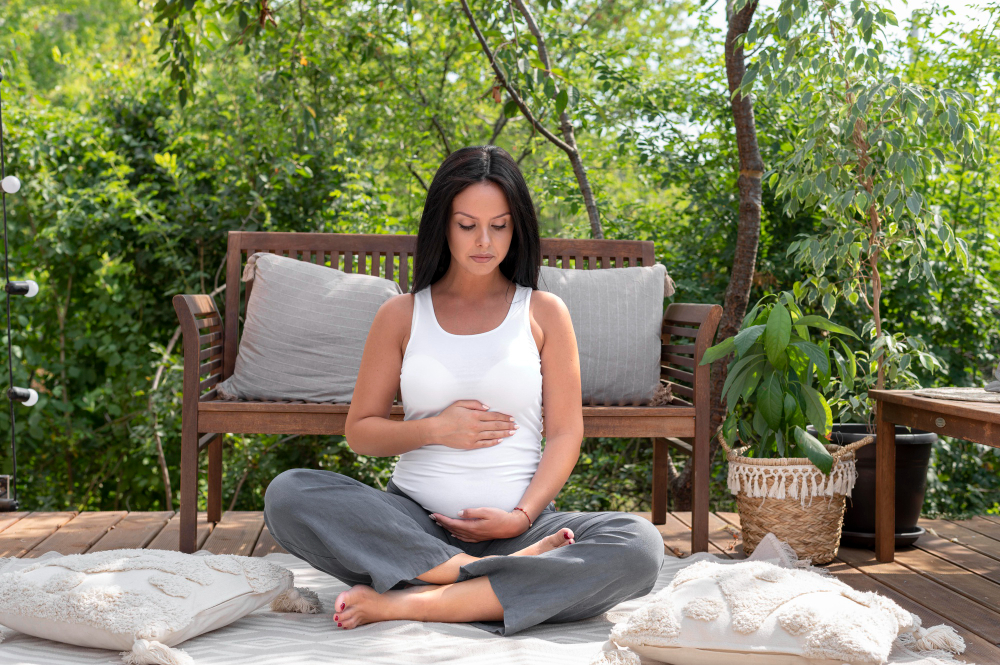
Mental wellbeing in pregnancy means feeling calm, balanced, and supported while expecting a baby. It is just as important as physical health. Many women focus on their bodies, but emotional health during pregnancy matters too. In fact, caring for your mind helps both you and your baby. Practices like yoga for pregnancy mental health and naturopathy for expectant mothers can support a healthy mind. Let’s explore why mental wellbeing in pregnancy is so important and how you can nurture it.
Understanding Mental Wellbeing in Pregnancy
During pregnancy, your body and mind go through many changes. For example, you may feel happy one moment and worried the next. Mental wellbeing means being able to handle these feelings in a healthy way. When you feel supported, you can enjoy your pregnancy more. Also, good mental health helps you bond with your baby. According to the World Health Organization (WHO), mental wellbeing is key for a healthy pregnancy and a healthy baby.
Common Emotional Challenges During Pregnancy
Many women face emotional ups and downs while pregnant. Sometimes, these feelings can be strong. However, you are not alone. Common emotional challenges include:
Even though these feelings are normal, it is important to talk about them. Sharing your feelings can help you feel better.
Causes and Risk Factors Affecting Emotional Health
Several things can affect your emotional health during pregnancy. For instance, hormone changes can make your mood shift quickly. In addition, worries about the baby, work, or family can add stress. Other risk factors include:
Because everyone’s situation is different, it helps to know your own risk factors. This way, you can seek help early if needed.
Signs and Symptoms to Watch For
Sometimes, it can be hard to know if you need help. Yet, certain signs may show that your emotional health needs attention. Watch for:
If you notice these signs, talk to a healthcare provider. Early support can make a big difference.
Yoga and Naturopathy Approaches for Emotional Health
Yoga for pregnancy mental health is gentle and safe when guided by a trained teacher. For example, simple breathing exercises can calm your mind. Gentle stretches help release tension. Naturopathy for expectant mothers also focuses on natural ways to support your mood. These may include:
Because every pregnancy is unique, always choose certified yoga and naturopathy practitioners. Many cities offer prenatal yoga classes and wellness centers for expectant mothers.
Nutrition Tips for Mental Wellbeing in Pregnancy
What you eat can affect your mood. Therefore, eating a balanced diet supports both your body and mind. Try these nutrition tips:
In addition, some vitamins like B vitamins, iron, and omega-3s can support brain health. Always talk to your doctor before taking supplements.
Lifestyle Guidance and Self-Care Strategies
Taking care of yourself is vital for mental wellbeing in pregnancy. For instance, regular gentle exercise can boost your mood. Other helpful self-care strategies include:
Because small changes can make a big difference, try adding one new habit at a time.
Prevention and When to Seek Help
Although some emotional ups and downs are normal, you can take steps to prevent bigger problems. For example, stay connected with loved ones and attend regular prenatal checkups. If you feel overwhelmed, do not wait to ask for help. Seek support from:
According to the CDC, early support can improve outcomes for both mother and baby.
In summary, mental wellbeing in pregnancy is just as important as physical health. With the right support, you can enjoy a healthier, happier pregnancy. Consult at Dr Nidhi Sule, Lifestyle Management Clinic for personalized guidance on mental wellbeing during pregnancy.